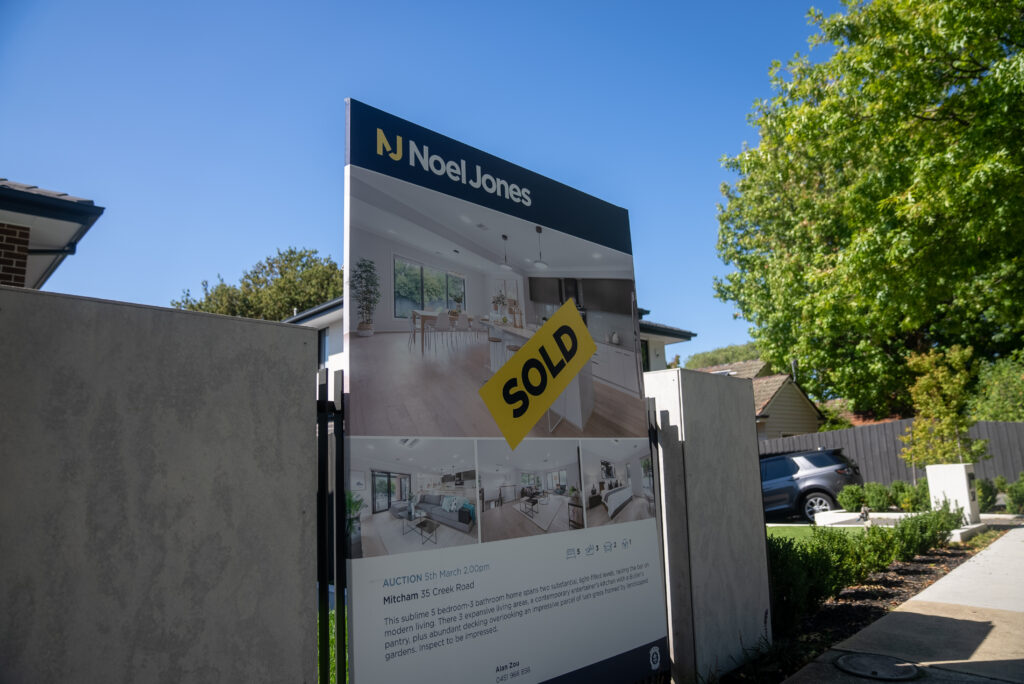
As Australia’s growing population contends with low housing supply and a tight rental market, addressing market shortage and affordability was central in this year’s federal budget.
A predicted surge in migration has highlighted the need for such initiatives, with the budget estimating 1.5 million people will arrive in Australia over the next five years.
The Albanese Government’s second budget also notably recorded its first surplus in 15 years – with Australia $4.2 billion in the black.
This surplus may help drive down inflation and slow interest rate rises, which would be welcome news to many homeowners.
Meanwhile, aspiring homeowners can access expanded home loan schemes in the budget, including the First Home Guarantee. This scheme allows eligible first home buyers to secure a home loan with a 5% deposit, exempt from mortgage insurance.
Daniel D’Assisi, director of Noel Jones Doncaster, described it as an encouraging move which supported a crucial demographic.
“This enables people to enter the property market with a lower deposit, empowering them to achieve homeownership sooner,” D’Assisi said.
The criteria for this program – and others for single parents and regional buyers – now includes applicants beyond couples in relationships, permanent residents and people who have not owned a home for at least 10 years.
While rental affordability is addressed in the budget through increases to Commonwealth Rent Assistance, tax reforms for Build-to-Rent developments are aimed at boosting housing supply. This will see the tax rate for Build-to-Rent investments lowered to 15%.
“The simplified capital gains tax regime brings much-needed clarity for investors and makes such investment more appealing,” said D’Assisi.
Labor will also increase the depreciation rate to 4%. Research from the Property Council and EY indicates this could boost housing supply by 150,000 apartments over 10 years.
Labor’s budget also reiterated their commitment to the national $120 billion infrastructure pipeline over the next decade. This includes $2.2 billion for the Suburban Rail Loop, which will connect Melbourne’s eastern suburbs, including Box Hill and Clayton, to other key areas.
D’Assisi said projects such as the Suburban Rail Loop and North East Link will make the east even more desirable.
“Improved connectivity often results in heightened property values. We’ve already experienced this with level crossing removals and road upgrades and we expect more to come.”
The experts at Noel Jones will continue monitoring the federal budget’s impact on Melbourne’s real estate market. For guidance on your personal property journey, contact Noel Jones today.