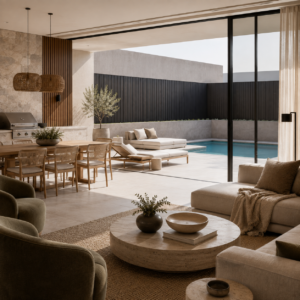
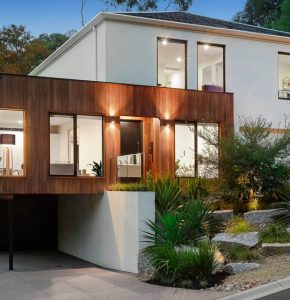
Contents V Building Cover
Insurance is designed to suit the purpose & nature of your asset. When you’re an investor it’s important to understand your insurance needs will change once your property becomes a rental.
Landlord insurance is designed specifically for rental properties to protect several areas of risk including – the rental income, the property itself and protection for legal liability.
The type of cover you need will depend on the type of property you are renting.
A specialised landlord policy can offer benefits for your rental income, the property’s contents, renter damages and legal liability.
If your property is free-standing, you will also need to include building insurance in your policy to extend cover to the property structure, however if your property has Strata Building insurance because it’s an apartment or unit, your building cover will be managed by your owner’s corporation as this factors in the whole development plus any common areas.
Often owners ask why do I need contents cover when I don’t have any contents in the property? This is often misunderstood as the term contents often implies furnishings, however in insurance terms it also relates to carpets, floating floors, curtains & blinds. So even the most basic rental will still feature contents items which form part of the tenancy.
Contents items are also those that tend to be easily damaged – for example if you have a water leak in your property, it’s often the flooring that takes the most impact.
In comparison, building cover relates to all the areas that make up the structure of the property along with the fixtures (like bathroom fittings, kitchens & built-ins). It extends to fencing, sheds, carports and so on. In the case of a property with Strata Building insurance, damage to these items would be reviewed by the Strata provider.
It’s important to review your Product Disclosure Statement to understand the definition of contents and building as this will provide detailed information showing which items are covered by which section of coverage at your address.
When looking to protect your property, it’s important to ask your provider about policy limits for both building and contents, liability protection features, and any variances that might fall outside your property specifics.
For more detailed information visit www.pi-plus.com.au.
DISCLAIMER: Policies are issued by Certain Underwriters at Lloyd’s and distributed by The Proplab Group Pty Ltd (ABN 59 009 357 582, AFSL 236663) trading as Pip – the Property Insurance People. General advice does not take into account your objectives, financial situation, or needs. Please read the relevant Product Disclosure Statement, Financial Services Guide, and Target Market Determination available from us to consider whether our product is right for you. Benefits are subject to terms and conditions, including excesses, limits, and exclusions of your policy.