As we move into 2026, Australian homes continue to evolve in response to how we live, work, and unwind. This year’s design trends focus on warmth, practicality, and longevity, with homeowners prioritising spaces that feel comfortable, adaptable, and timeless rather than overly styled.
Here’s what’s defining home design in 2026.
Natural grounded colour palettes
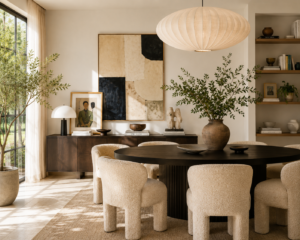
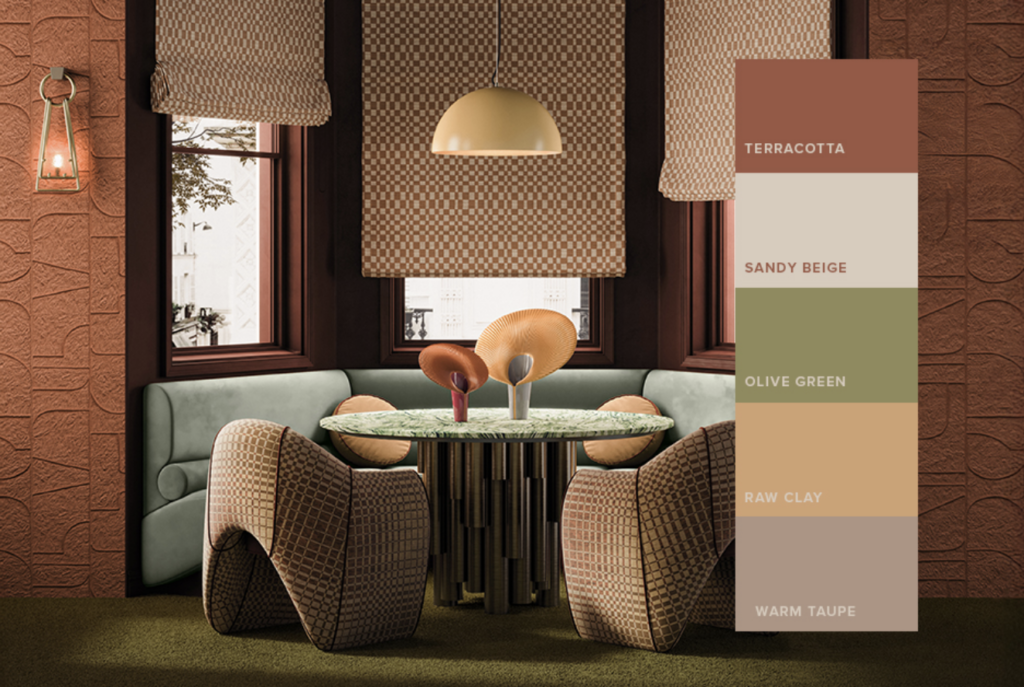
Colour trends in 2026 lean toward warmth and calm. Soft neutrals, warm whites, clay tones, muted greens, and gentle browns are replacing cooler greys and stark contrasts. These palettes create a relaxed foundation that suits a wide range of properties, and appeals strongly to buyers looking for homes that feel welcoming and easy to personalise.
Biophilic design remains a priority
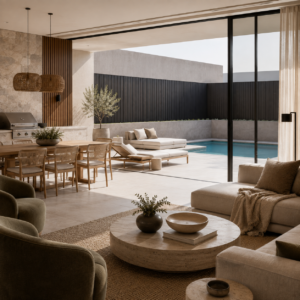
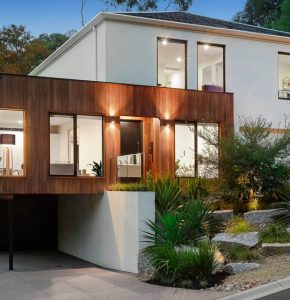
Connection to nature continues to influence both architecture and interiors. Larger windows, indoor plants, natural timber finishes, and stone elements are being used to bring the outdoors in. In 2026, this approach is less about statement greenery, and more about subtle, considered design choices that enhance light, airflow, and overall wellbeing.
Flexible living spaces
Homes in 2026 are expected to work harder. Flexible floorplans that adapt to changing needs are highly valued, particularly spaces that can shift between work, rest, and entertaining. Home offices that double as guest rooms, open living areas with defined zones, and multipurpose storage solutions are all in demand.
Sustainable choices as standard
Sustainability is no longer seen as an upgrade, it’s an expectation. Energy efficient appliances, solar solutions, water saving fixtures, and responsibly sourced materials are increasingly standard inclusions. Buyers are paying closer attention to running costs and long term efficiency, making these features an important consideration for sellers in 2026.
Texture over trend driven finishes
Rather than bold, short lived design statements, 2026 favours texture and depth. Layered materials such as timber, stone, linen, wool, and matte finishes add character without dating a space. This shift supports interiors that feel warm, lived in, while remaining broadly appealing in the property market.
Outdoor living that works year round
Outdoor spaces continue to be viewed as an extension of the home. Covered entertaining areas, outdoor kitchens, heating elements, and thoughtful landscaping allow these spaces to be used across all seasons. In 2026, functionality is key, buyers are looking for outdoor areas that feel purposeful rather than purely decorative.
Wellness focused design
Homes are increasingly designed with wellbeing in mind. Bathrooms feel more spa like, bedrooms prioritise comfort and calm, and lighting choices support different moods throughout the day. Quiet zones, soft finishes, and thoughtful layouts reflect a broader shift toward homes that support balance and everyday living.
Technology that blends in
Smart home technology is now expected to be intuitive and discreet. In 2026, the focus is on systems that improve comfort and efficiency without dominating the space, including smart lighting, climate control, and security features that integrate seamlessly into the home.
Looking ahead
The defining theme of 2026 is considered living. Homes are less about chasing trends, and more about creating spaces that feel practical, warm, and enduring. Whether you’re preparing to sell, planning renovations, or simply refreshing your space, understanding these trends can help you make informed decisions that align with what buyers value right now.